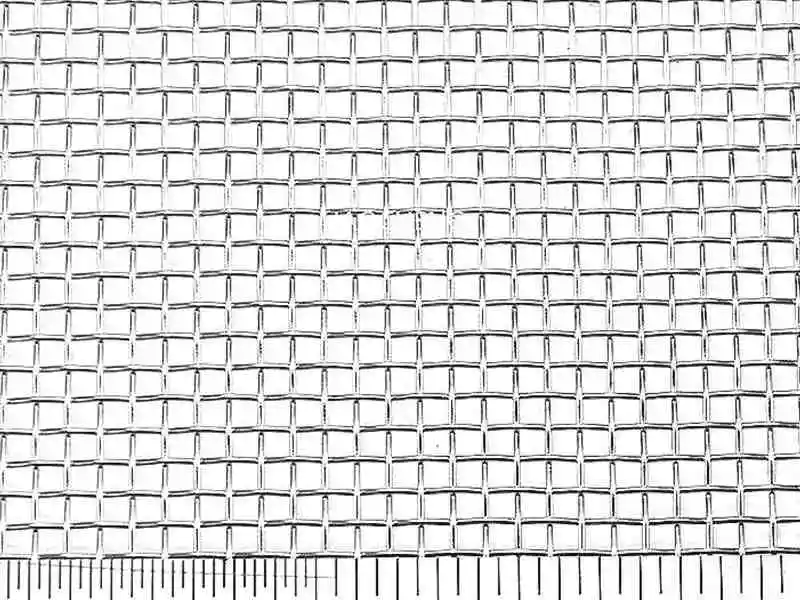
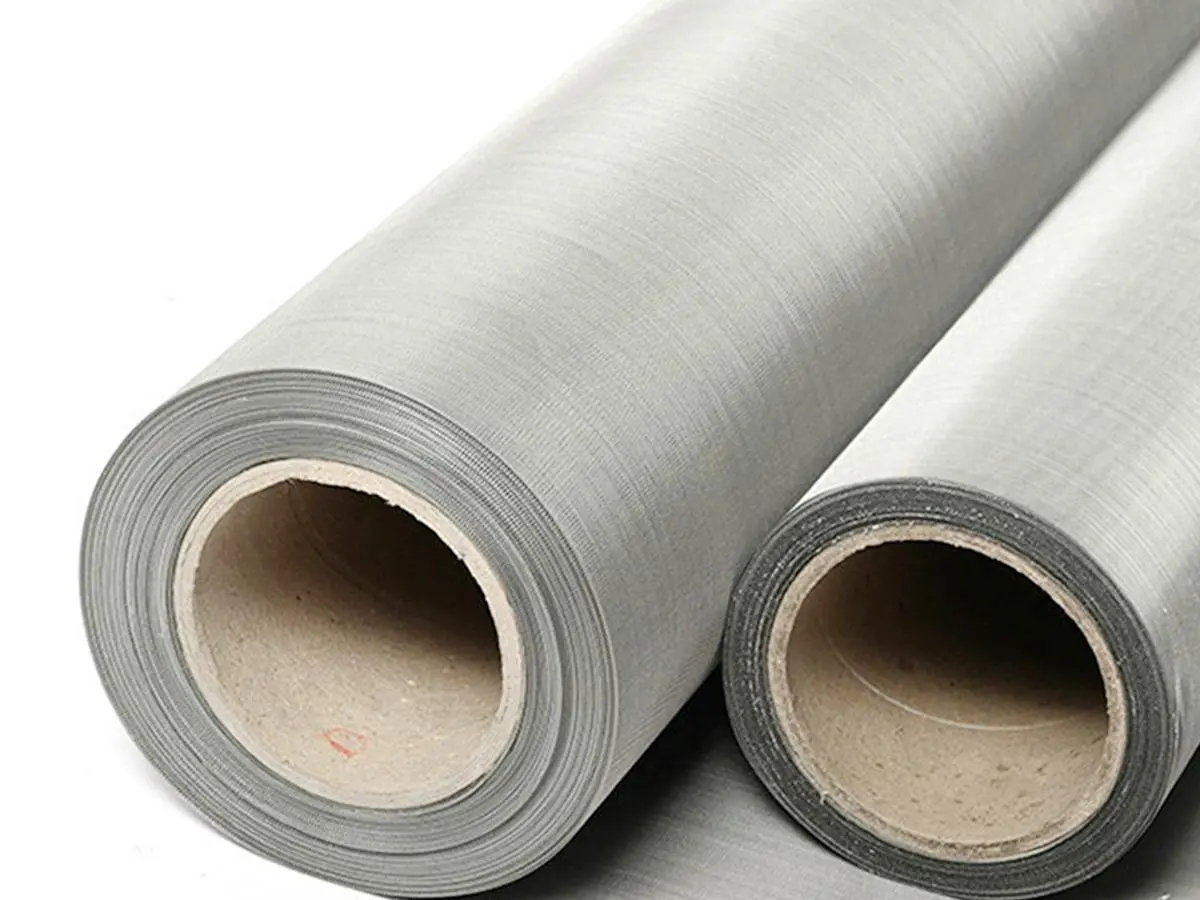


| Product name | Nickel Wire Mesh |
| Material | Nickel200 (N6, Ni≥99.6%)Nickel201 (N4, Ni≥99.9%) |
| Mesh Size | 2 Mesh – 450Mesh (standard) |
| Wire Diameter | 0.03mm – 3.0mm (customizable) |
| Free simple | Sample is available |
| Packaging | Jumbo bag and pallet |
| Payment method | T/T,LC, Western Union, PayPal, Escrow and Money Gram |
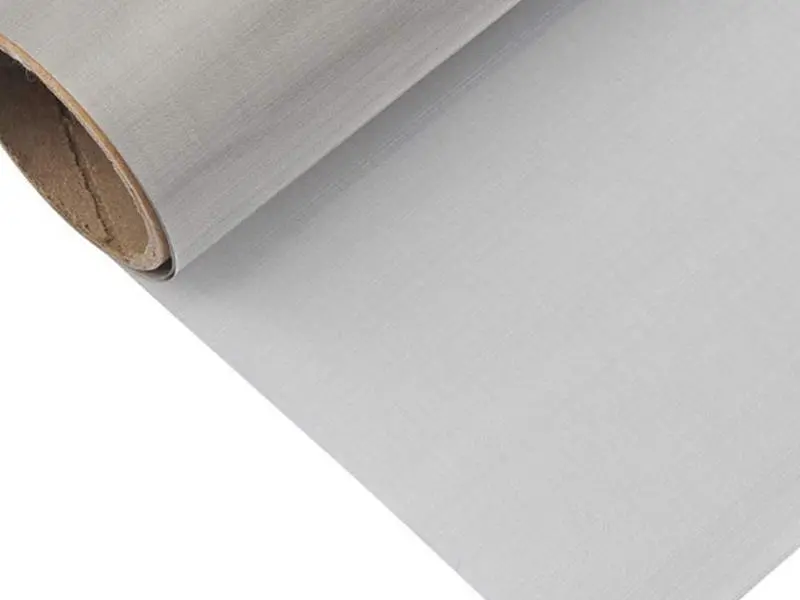
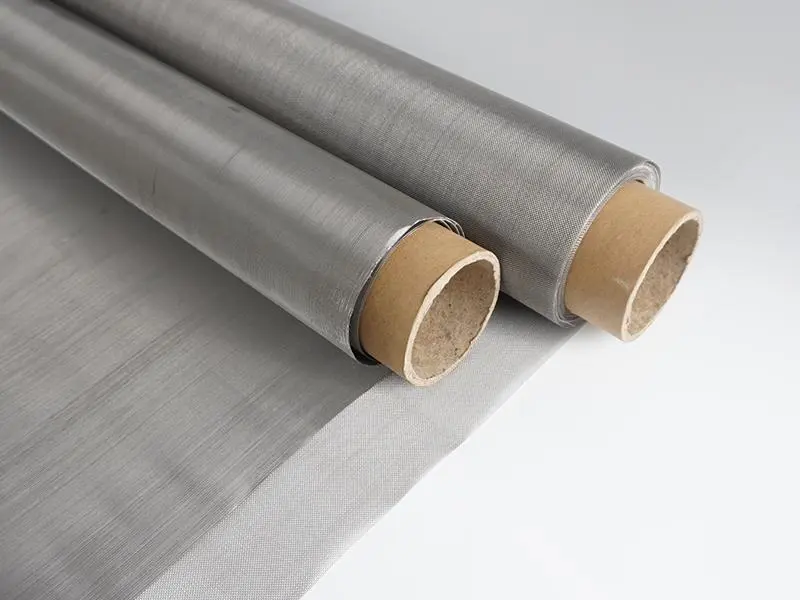
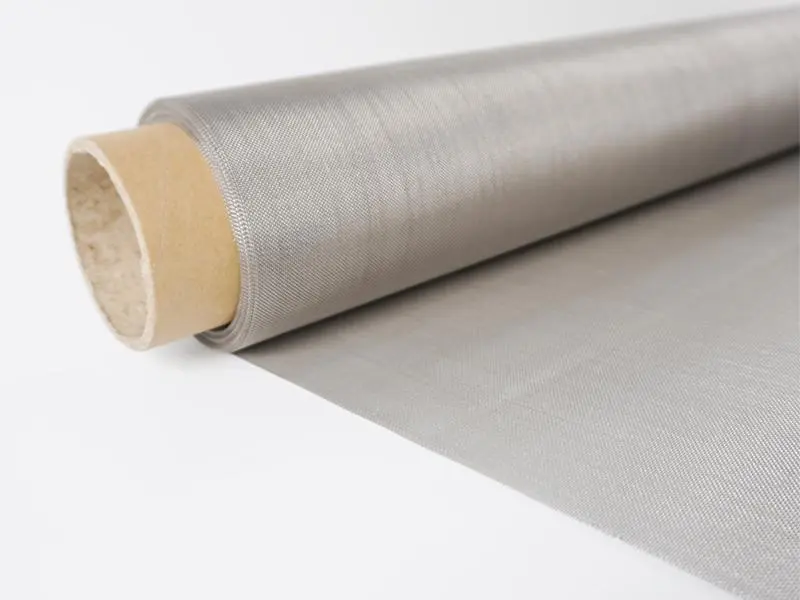
Nickel wire mesh is a high-performance metal mesh product meticulously crafted by our company, utilizing premium pure nickel wires (with a nickel content of 99.5% or higher) through advanced weaving techniques. Renowned for its exceptional combination of corrosion resistance, high-temperature stability, electrical conductivity, and ductility, nickel wire mesh stands out as a versatile solution for a wide range of industrial, aerospace, and chemical applications where demanding environmental conditions are prevalent.
Material Characteristics
- Excellent Corrosion Resistance: Pure nickel exhibits outstanding resistance to corrosion in various environments, including alkaline solutions, organic acids, and many industrial chemicals. It is particularly resistant to corrosion by dilute acids (such as sulfuric acid and hydrochloric acid) under certain conditions, as well as to atmospheric corrosion and oxidation. This makes nickel wire mesh ideal for applications involving exposure to aggressive substances, such as chemical processing and wastewater treatment.
- Superior High-Temperature Performance: Nickel retains its mechanical strength and stability at elevated temperatures, withstanding continuous operating temperatures up to 650°C. It resists oxidation and scaling even under prolonged heat exposure, ensuring reliable performance in high-temperature environments like furnace components, heat exchangers, and thermal processing equipment.
- Exceptional Electrical and Thermal Conductivity: Nickel is an excellent conductor of electricity and heat, making nickel wire mesh suitable for applications requiring efficient electrical conduction or heat transfer. It is commonly used in battery grids, electrical shielding, and heat dissipation components.
- High Ductility and Formability: Nickel wire is highly ductile, allowing for intricate weaving patterns and easy fabrication into various mesh sizes and shapes. This flexibility enables the production of nickel wire mesh with precise specifications to meet specific application requirements, while maintaining structural integrity.
Structural Characteristics
- Uniform and Precise Mesh: Our nickel wire mesh is produced using precision weaving technology, ensuring uniform mesh size, consistent opening area, and accurate filtration performance. The tightly interwoven nickel wires form a stable structure that maintains its shape even under mechanical stress or temperature fluctuations, providing reliable screening and filtering capabilities.
- Strong Tensile Strength: Despite its ductility, nickel wire mesh boasts high tensile strength, enabling it to withstand tension, pressure, and mechanical impact without easy deformation or breakage. This structural robustness ensures long service life in demanding operating conditions.
- Smooth Surface and Easy Maintenance: The surface of nickel wire mesh is smooth, reducing the adhesion of contaminants, particles, and residues. It can be easily cleaned using appropriate methods such as water washing, chemical cleaning, or ultrasonic cleaning, ensuring hassle-free maintenance and sustained performance.
- Customizable Specifications: To cater to diverse application needs, we offer extensive customization options for nickel wire mesh. This includes varying mesh counts (from fine meshes for precision filtration to coarse meshes for heavy-duty screening), wire diameters, mesh shapes (square, rectangular, etc.), and sheet sizes. Our technical team works closely with customers to develop tailored solutions that perfectly match their specific requirements.
Applications
1. Chemical Processing
- Alkali production cells (chlor-alkali diaphragm anodes)
- Chemical reactor screens for corrosive media
- Filtration in caustic environments
2. Energy Storage
- Nickel-metal hydride (NiMH) battery substrates
- Fuel cell components
- Hydrogen generator meshes
3. Aerospace & Defense
- Rocket engine ignition screens
- EMI/RFI shielding for avionics
- Turbine component protection
4. Electronics & Semiconductors
- Sputtering targets for thin-film deposition
- Vapor phase etching masks
- High-purity furnace components
Chemical Composition of Nickel 200
| Element | Content (%) |
|---|---|
| Nickel + Cobalt (Ni+Co) | ≥ 99.6 |
| Iron (Fe) | ≤ 0.10 |
| Silicon (Si) | ≤ 0.10 |
| Manganese (Mn) | ≤ 0.05 |
| Copper (Cu) | ≤ 0.06 |
| Carbon (C) | ≤ 0.10 |
Nickel vs Stainless Steel Wire Mesh
| Property | Nickel Wire Mesh | Stainless Steel Wire Mesh |
|---|---|---|
| Alkali (caustic) resistance | Excellent | Poor |
| Electrical conductivity | Good (electrode use) | Poor |
| Max continuous temperature | 650°C | Up to 1000°C (310S) |
| Battery / electrolyzer use | Yes | No |
Standards & Compliance
Nickel wire mesh is woven from pure nickel (Ni 200 / UNS N02200 and Ni 201 / UNS N02201), complying with ASTM B162. Its excellent alkali resistance, conductivity and high-temperature stability make it the standard choice for battery electrodes, hydrogen electrolyzers and chlor-alkali filtration.
FAQ
What is nickel wire mesh?
Nickel wire mesh is woven from pure nickel (Ni 200 / Ni 201, ≥99% Ni). It combines excellent alkali and corrosion resistance, good electrical conductivity and high-temperature stability up to 650°C.
Is nickel wire mesh used for battery electrodes?
Yes. Nickel wire mesh is widely used as a substrate and current collector in nickel-based batteries, including nickel-metal hydride (NiMH) batteries, and as an electrode substrate in alkaline electrolyzers.
Is nickel wire mesh used for hydrogen electrolyzers?
Yes. Nickel wire mesh is a standard electrode material in alkaline water electrolysis for hydrogen production, because it resists the hot alkaline (KOH) electrolyte and conducts well. It is also used in PEM electrolyzer gas diffusion layers.
What is the difference between nickel and stainless steel wire mesh?
Nickel resists strong alkalis (caustic soda, KOH) and conducts electricity, so it is used for electrodes and chlor-alkali cells where stainless steel fails. Stainless steel offers better general corrosion resistance and strength. Choose nickel for alkali, electrode and high-purity applications.
What is the difference between Ni 200 and Ni 201 wire mesh?
Ni 200 and Ni 201 are both ≥99% nickel. Ni 201 is the low-carbon version (≤0.02% C), so it resists intergranular embrittlement at temperatures above 315°C. Choose Ni 200 for general use and Ni 201 for high-temperature service.
What temperature can nickel wire mesh withstand?
Nickel wire mesh withstands continuous operating temperatures up to about 650°C, with good oxidation resistance. For service above 315°C where embrittlement is a concern, low-carbon Ni 201 is recommended.
About Our Factory