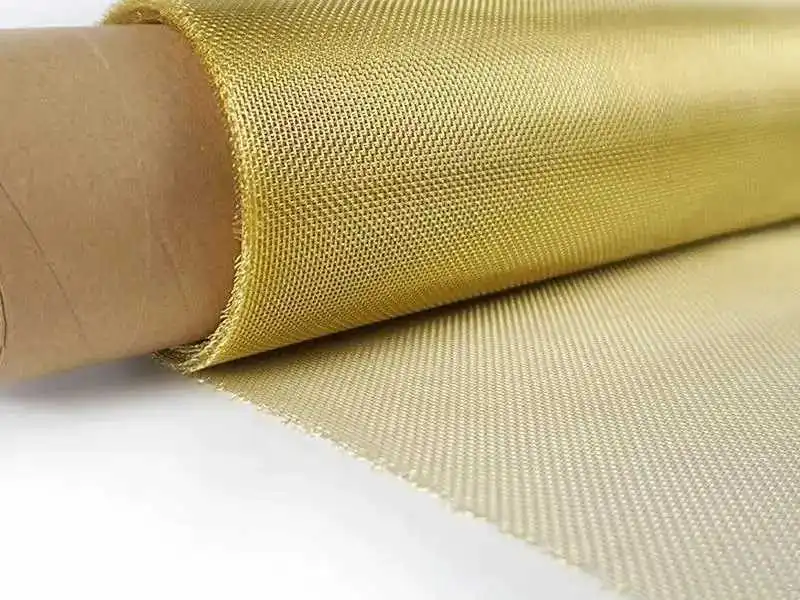
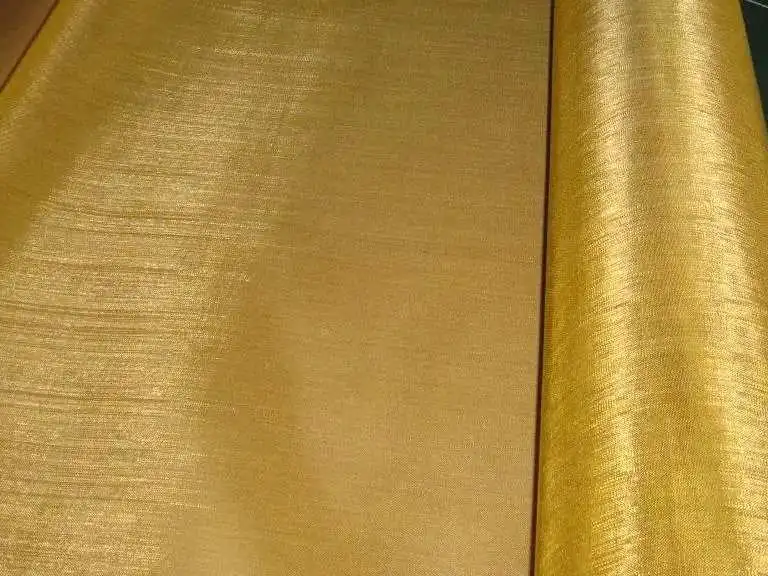


| Product name | Brass Wire Mesh |
| Material | H65 (Cu-65% Zn-35%) |
| Mesh Size | 2 Mesh – 300Mesh (standard) |
| Wire Diameter | 0.03mm – 3.0mm (customizable) |
| Free simple | Sample is available |
| Packaging | Jumbo bag and pallet |
| Payment method | T/T,LC, Western Union, PayPal, Escrow and Money Gram |
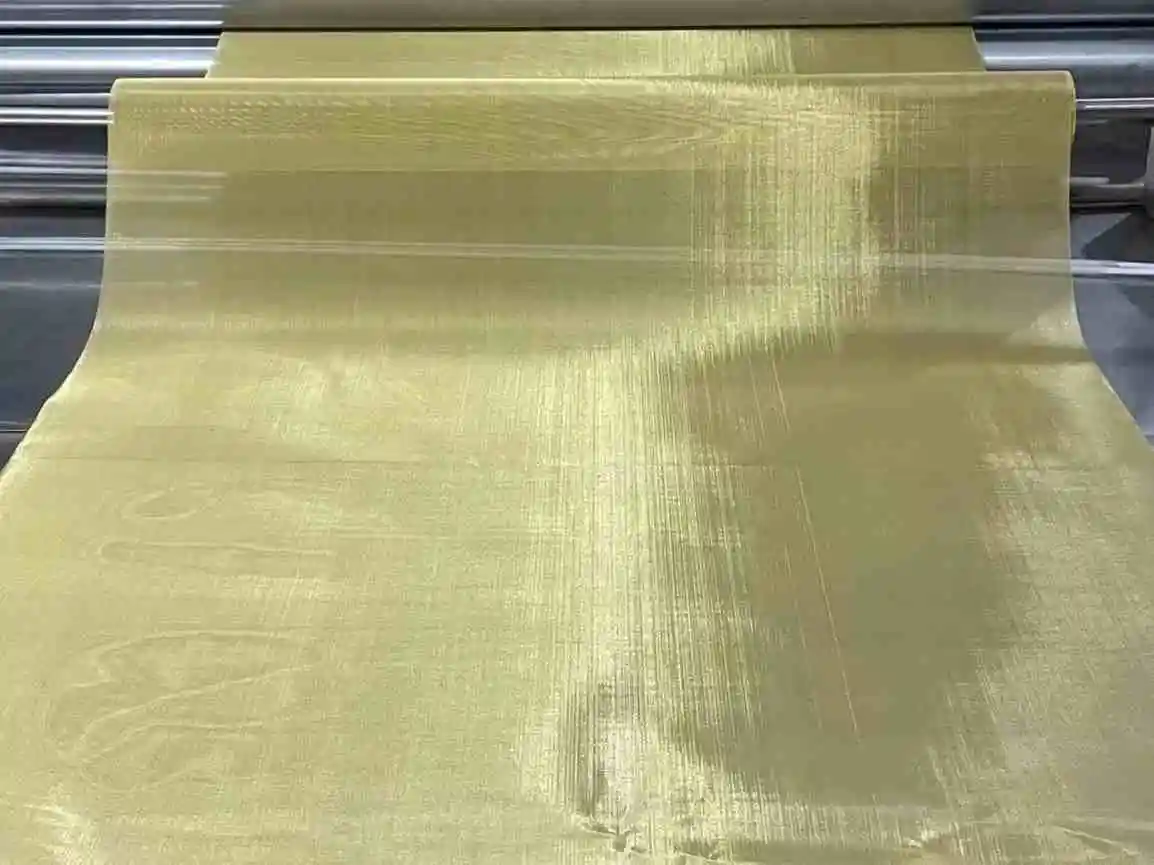
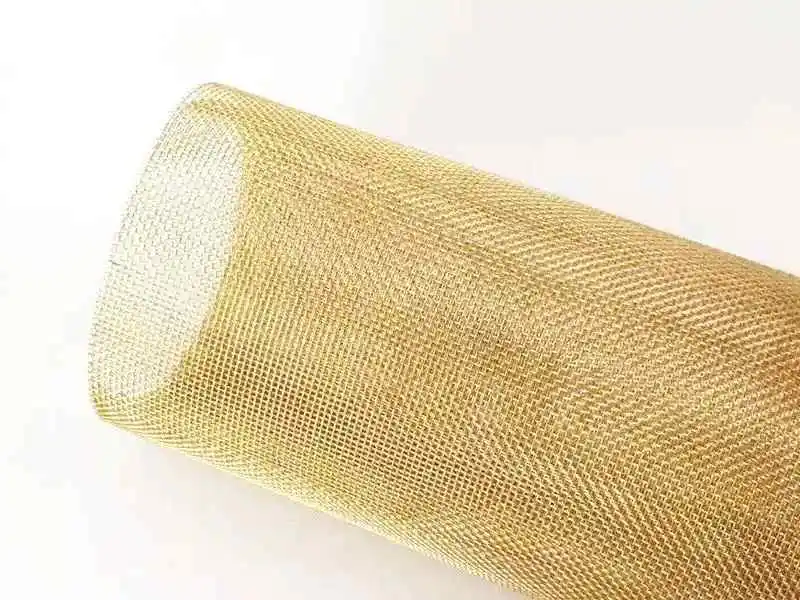
Brass wire mesh is a versatile and durable metal mesh product meticulously crafted by our company using high-quality brass wires. Composed primarily of copper (60-70%) and zinc (30-40%) with trace elements for enhanced performance, this alloy mesh combines the best properties of its constituent metals. It offers an exceptional balance of corrosion resistance, formability, electrical conductivity, and an attractive golden appearance, making it a preferred choice for both functional and decorative applications across various industries.
Material Characteristics
1.Excellent Formability: Brass wire mesh exhibits superior malleability and ductility, allowing for intricate weaving patterns and easy fabrication into various shapes and sizes without compromising structural integrity.
2.Good Corrosion Resistance: The alloy composition provides reliable resistance to corrosion in mild environments, including atmospheric conditions, freshwater, and non-aggressive chemicals, ensuring long-term durability.
3.Enhanced Electrical Conductivity: Maintains better electrical conductivity than many other alloys, making it suitable for applications requiring electrical shielding or conduction.
4.Attractive Aesthetic: Features a natural golden hue that develops a rich patina over time, adding visual appeal to architectural and decorative applications.
5.Moderate Temperature Resistance: Performs well in temperatures up to 200°C (392°F), suitable for general industrial environments without extreme heat exposure.
Structural Characteristics
1.Precision Weaving: Available in various weaving patterns including plain weave, twill weave, and Dutch weave, ensuring uniform mesh opening sizes and consistent filtration performance.
2.Range of Specifications: Mesh counts from 10 to 600 per inch, with wire diameters ranging from 0.03mm to 2mm, accommodating diverse application requirements.
3.Sturdy Construction: Tightly interwoven wires provide excellent tensile strength and structural stability, resisting deformation under normal operating conditions.
4.Customizable Dimensions: Standard sheet sizes up to 2000mm x 3000mm, with custom dimensions available to meet specific project needs.
Applications
1. Architectural & Design
- Facade cladding systems
- Interior partitions & ceiling panels
- Decorative screens & artwork
2. Filtration & Separation
- Fuel filters in automotive systems
- Air filtration in HVAC
- Liquid filtration for breweries
3. Electronic Shielding
- EMI/RFI shielding for electronics
- Grounding meshes
4. Industrial Uses
- Insect screens
- Reinforcement meshes
- Heat exchanger components
Chemical Composition of H65 Brass
| Element | Content (%) |
|---|---|
| Copper (Cu) | 63.5 – 68.0 |
| Zinc (Zn) | Balance |
Brass vs Copper Wire Mesh
| Property | Brass Wire Mesh | Copper Wire Mesh |
|---|---|---|
| Composition | Cu-Zn alloy (H65) | Pure copper (≥99.9%) |
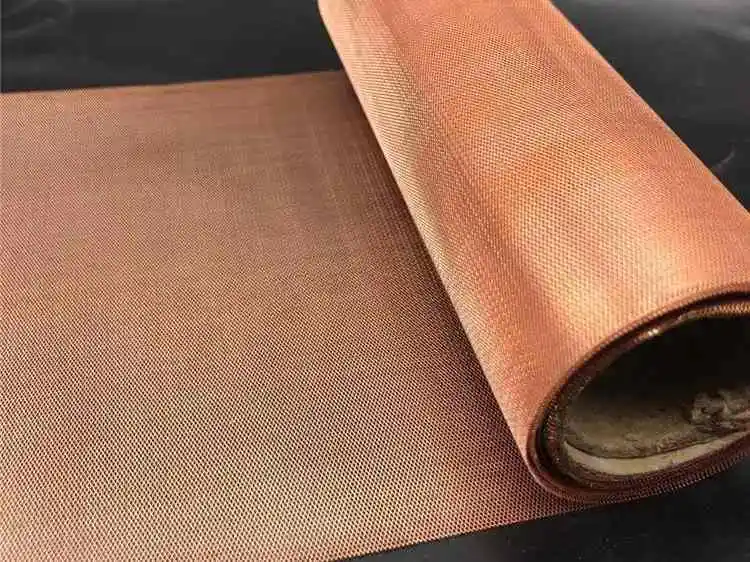
| Color | Golden | Red-brown |
| Hardness | Harder | Softer |
| Non-sparking (explosive env) | Yes (standard) | Yes |
| Saltwater resistance | Better | Forms patina |
Standards & Compliance
Brass wire mesh is woven from H65 brass (Cu 63.5–68%, Zn balance), corresponding to UNS C27000. Its non-sparking, non-magnetic nature makes it the standard choice for test sieves, explosive-environment screening and decorative applications.
FAQ
What is brass wire mesh?
Brass wire mesh is woven from H65 brass, a copper-zinc alloy (Cu 63.5–68%, Zn balance). It combines good corrosion resistance, formability, electrical conductivity and an attractive golden appearance.
Is brass wire mesh non-sparking and non-magnetic?
Yes. Brass is non-magnetic and non-sparking, so brass wire mesh is safe to use in explosive or flammable environments where sparks could cause ignition. It is a standard material for test sieves and safety screening in such settings.
Is brass wire mesh used for test sieves?
Yes. Brass wire mesh is a traditional standard material for laboratory test sieves and particle size analysis, thanks to its non-sparking nature, good wear resistance and stable mesh openings.
What is the difference between brass and copper wire mesh?
Brass is a copper-zinc alloy, so it is golden in color, harder and more saltwater-resistant than pure red copper. Copper is softer, more conductive and develops a green patina. Choose brass for sieves, safety screening and decoration; choose copper for electrical and shielding uses.
What is brass wire mesh used for?
Brass wire mesh is used for laboratory test sieves, non-sparking safety screening, EMI/RFI shielding, fuel and air filtration, and architectural decoration where its golden appearance is valued.
What temperature can brass wire mesh withstand?
Brass wire mesh performs well at temperatures up to about 200°C, suitable for general industrial environments. For higher temperatures, a stainless steel or nickel mesh is recommended.
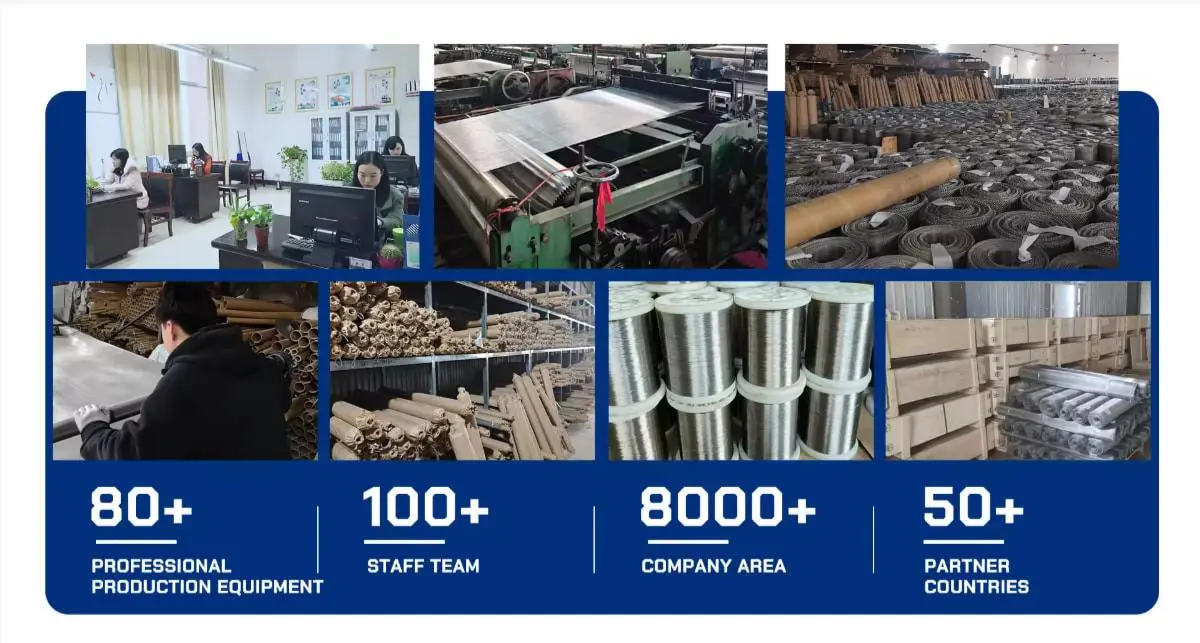
About Our Factory