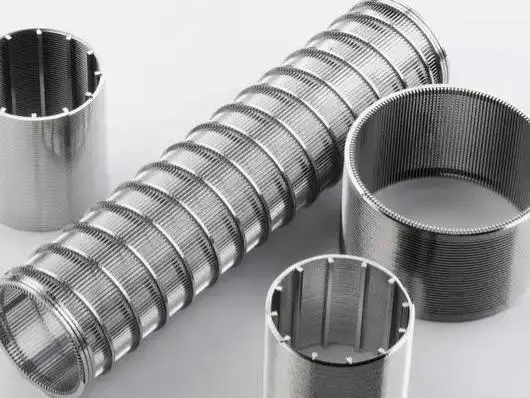
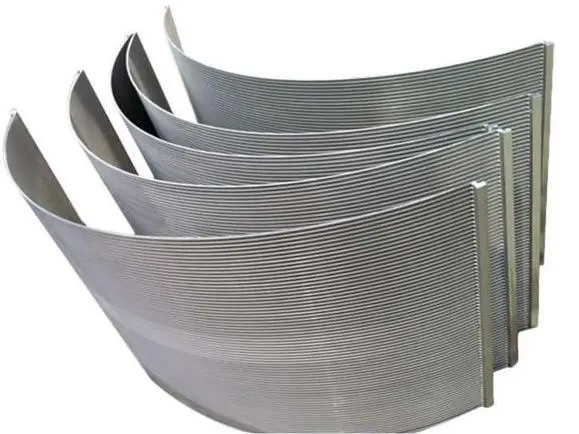
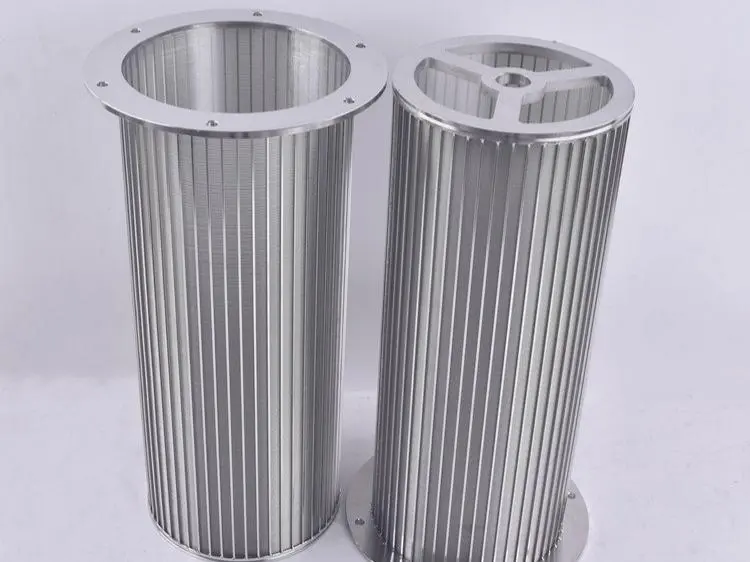
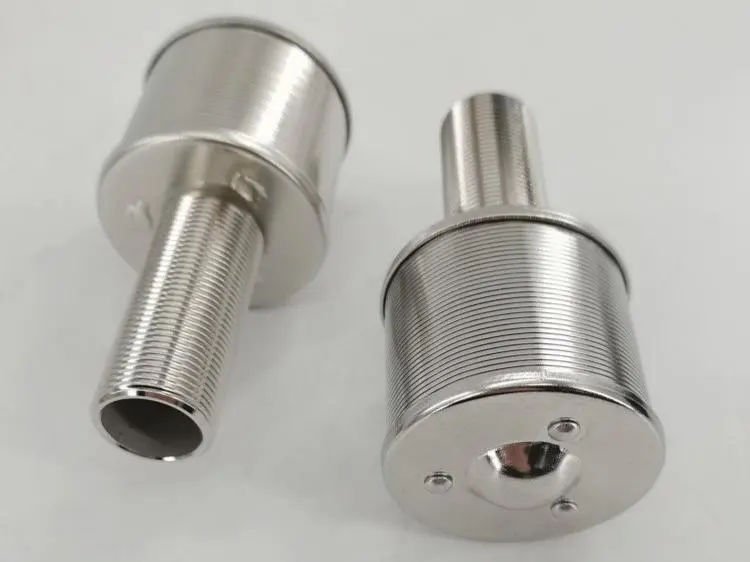


| Product name | Wedge wire screen |
| Material | 304, 304L, 316, 316L, 904L, Duplex 2205/2507, Hastelloy C-276, Titanium, Monel 400 |
| Slot Opening | 0.02mm – 10mm (20 microns – 10 mm) |
| Profile Wire Sizes | 1.0×2.0mm, 1.5×2.5mm, 1.5×3.0mm, 2.0×3.5mm, etc. |
| End Connections | Flange, thread, conical bottom, blind plate, or custom |
| Packaging | EPE foam + bubble wrap + wooden box |
| Payment Method | T/T, LC, Western Union, PayPal, Escrow and Money Gram |
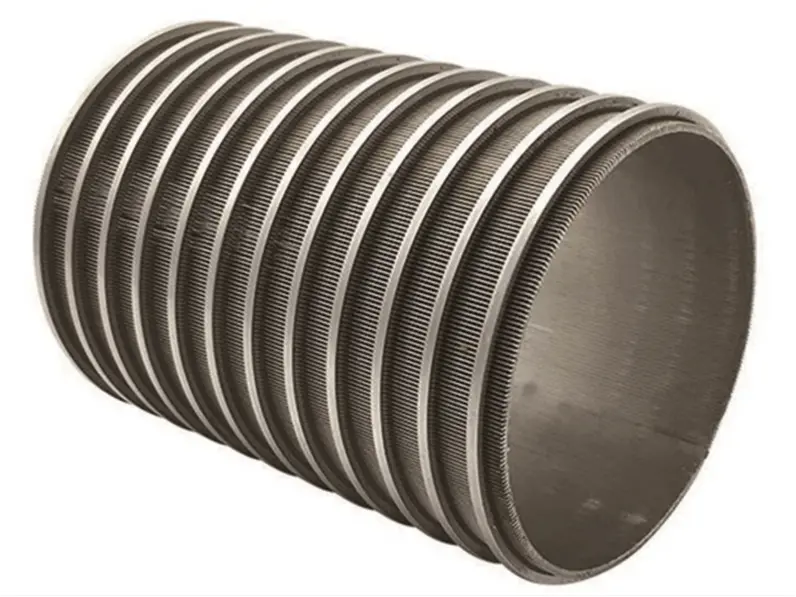
Wedge wire screens (also known as Vee-Wire or Johnson screens) are precision manufactured using continuous V-shaped profile wires welded onto support rods. Unlike perforated plates or woven meshes, this unique V-profile design delivers exceptional mechanical strength while maintaining an ultra-high open area.
The wedge-shaped gap (narrow at the surface, wider at the bottom) prevents particle trapping and allows easy backwashing. Ideal for demanding filtration, straining, and screening applications across chemical, water treatment, food & beverage, and mining industries.
Structural Features
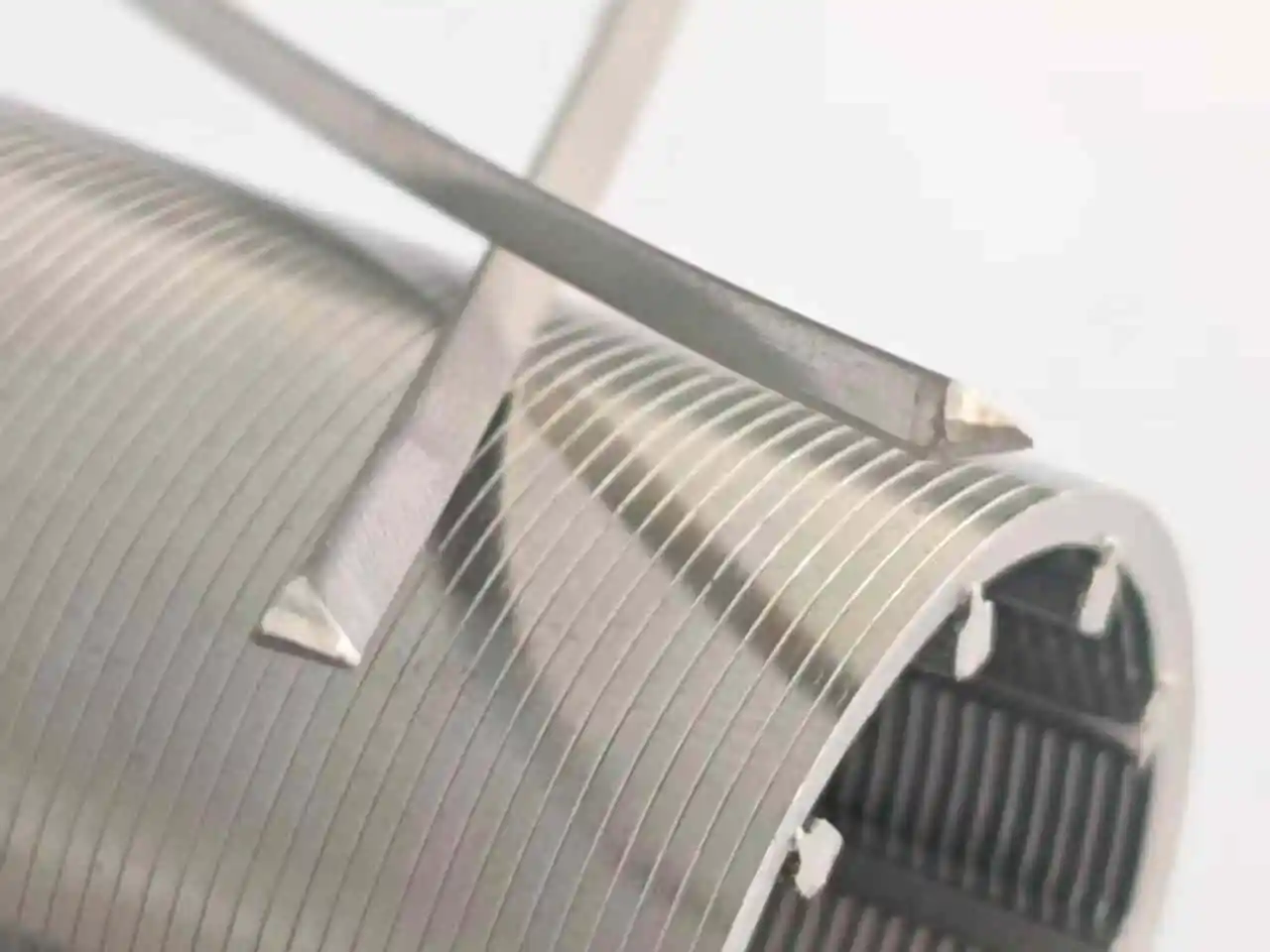
Profile Wire (Vee Wire): Triangular or wedge-shaped cross-section. The narrow top edge defines the retention slot.
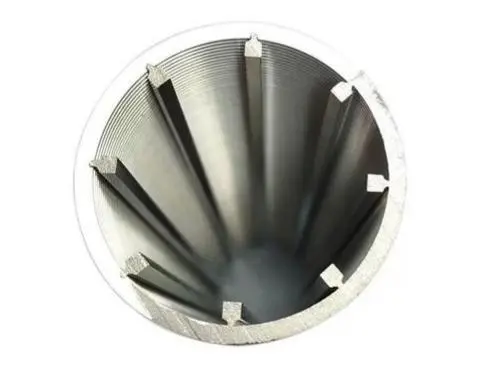
Support Rods: Round or trapezoidal rods placed longitudinally underneath the profile wire. Provide mechanical strength.
Welded Joints: Every intersection between profile wire and support rod is resistance-welded, creating a rigid, one-piece structure.
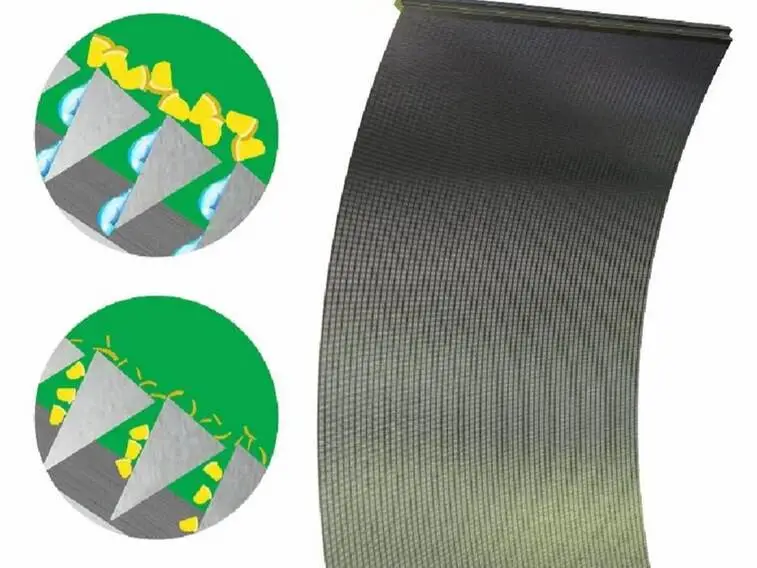
Slot Geometry: Inverted V-shape – narrow at the surface, wider internally. Prevents particle bridging and allows easy backwashing.
Flow Direction & Filtration Orientation
wedge wire screen has an asymmetric structure. The V-shaped profile wire creates a directional filtration characteristic. Therefore, when designing the wedge-shaped screen, the following three factors need to be taken into consideration: Anti-clogging performance, Backwashing effectiveness, and Pressure drop.Specific details can be referred to the diagram below.
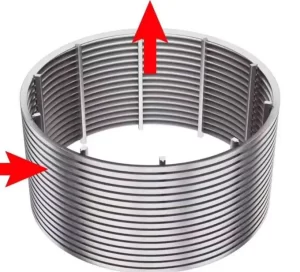
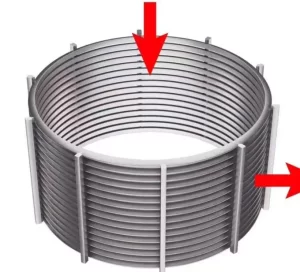
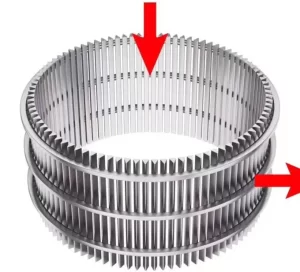
Product Type
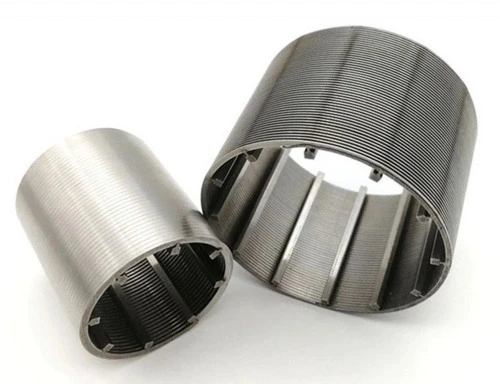
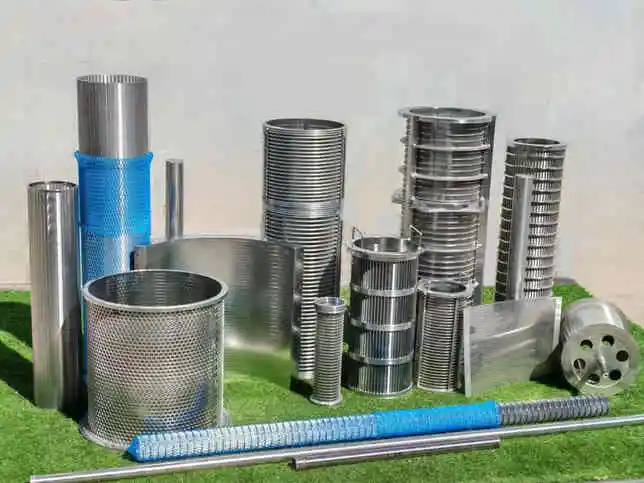
Filter Tube
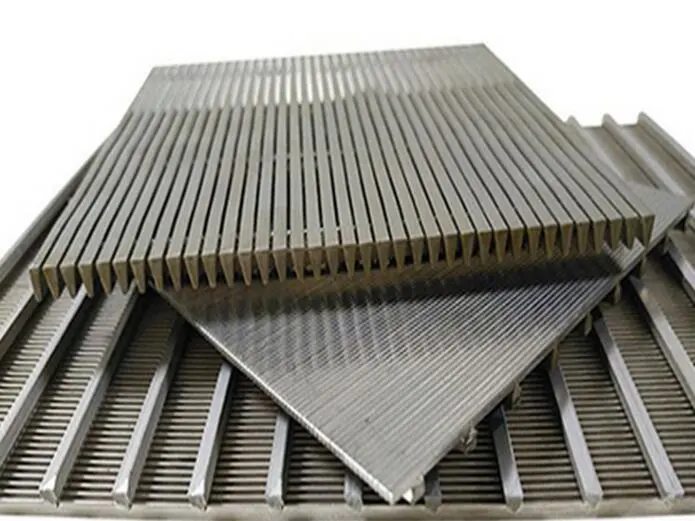
Flat Screen Panel
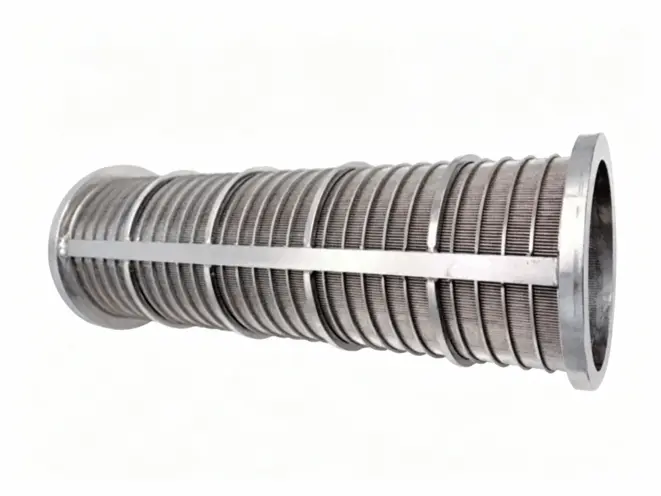
Filter Cartridge
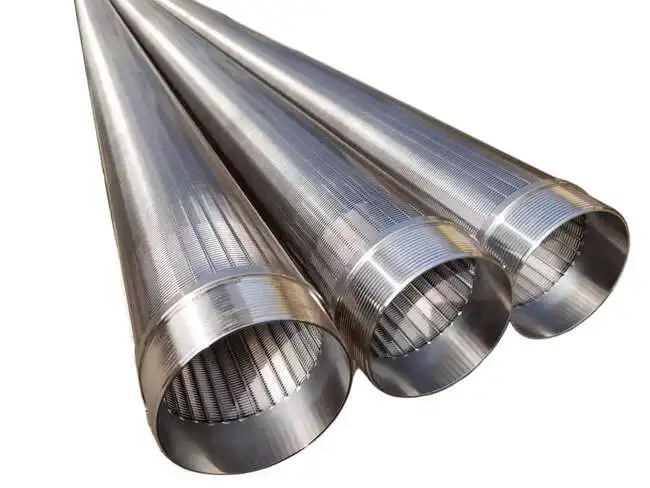
Well Screen
Sieve Bend
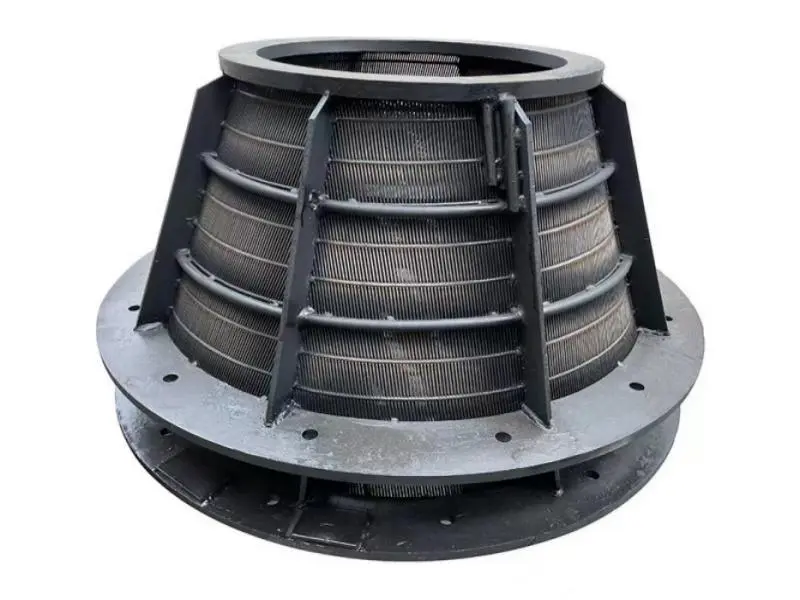
Centrifuge Basket
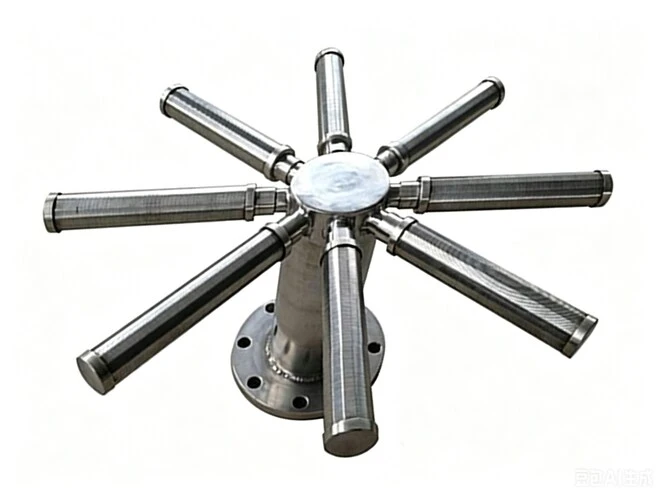
Lateral Assembly
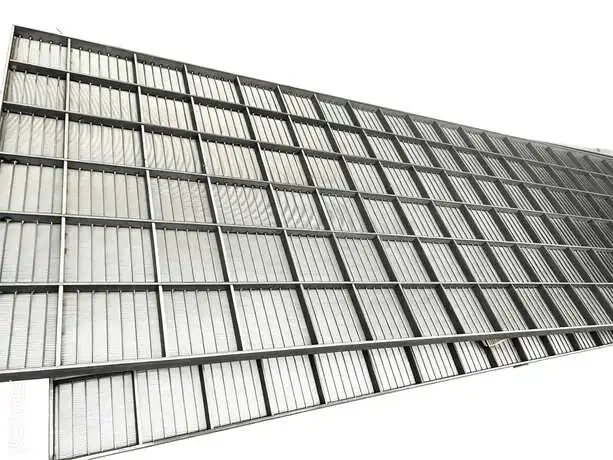
Reinforced Screen Panel
Applications
- Oil & Gas / Petrochemical: Catalyst recovery, amine filtration, hydrotreater internals, reformer screens.
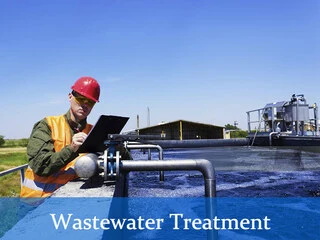
- Water & Wastewater Treatment: Seawater intake screens, deep well filters, ion exchange distributor/collector baskets.
- Food & Beverage: Juice press screens, starch washing, syrup filtration, oil degumming.
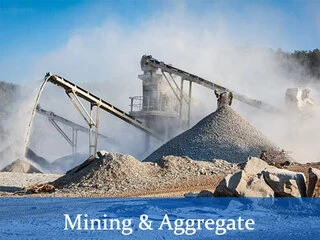
- Mining & Aggregate: Dewatering screens, vibrating screen panels, sizing screens.
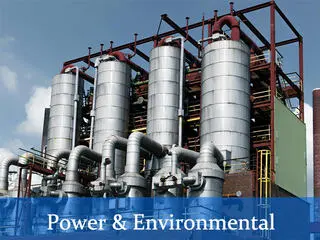
- Power & Environmental: Desulfurization nozzle protection screens, landfill leachate treatment screens.