
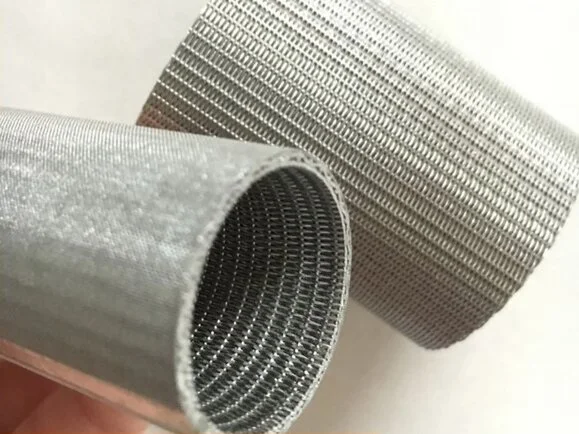
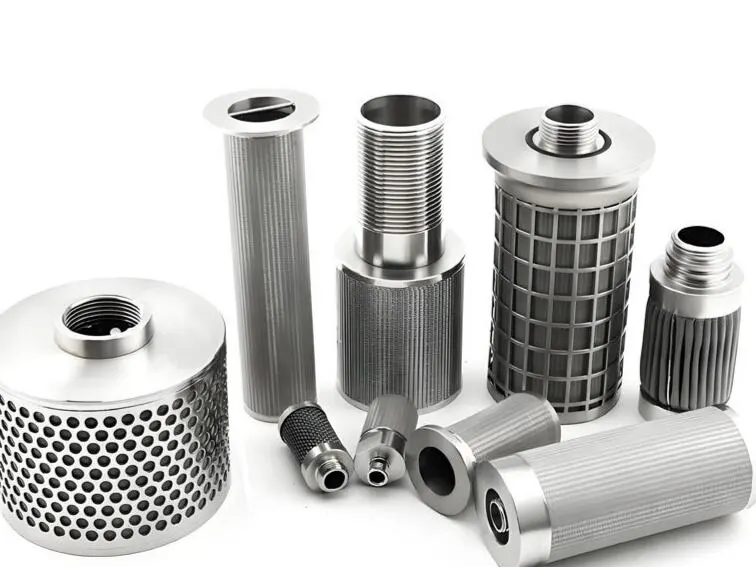


| Product name | Sintered Wire Mesh |
| Material | 304, 316 , 316L, 2205, 2507, Titanium,Nickel, Monel, Hastelloy, etc. |
| Mesh Size | 1 Mesh – 635 Mesh (Plain weave, twill weave), 12*64-500*3500 Mesh(Dutch weave) |
| Mesh Opening | 0.001mm – 0.5mm |
| Free simple | Sample is available |
| Packaging | Moisture-proof paper + bubble wrap + wooden box |
| Payment method | T/T, LC, Western Union, PayPal, Escrow and Money Gram |
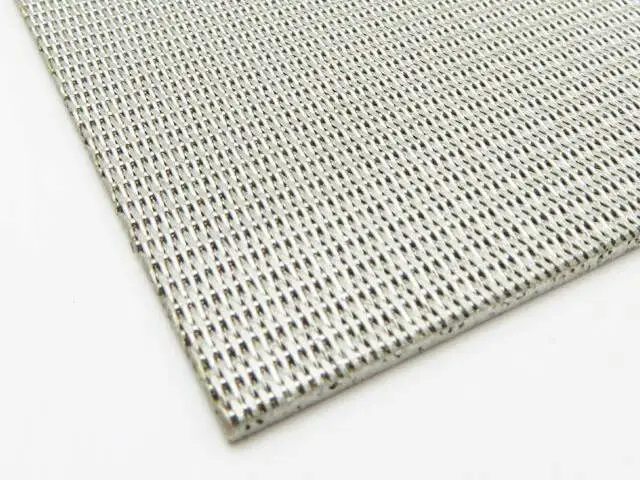
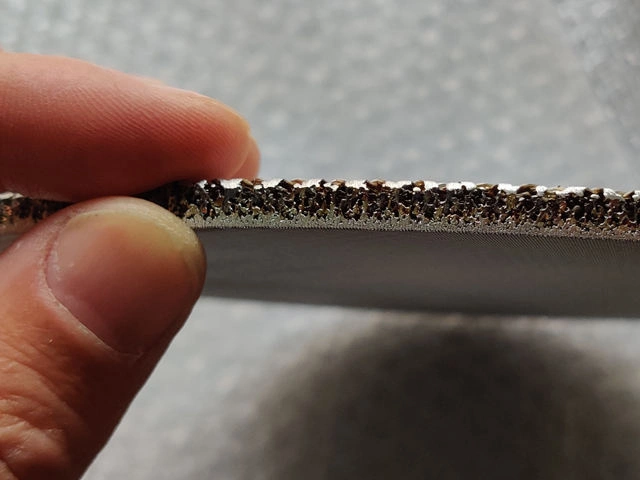
Sintered wire mesh is a high-performance filtration material manufactured by layering multiple sheets of woven wire mesh, then subjecting them to high temperature and pressure in a vacuum or protective atmosphere furnace. This sintering process causes the wire crossover points to fuse together through thermal diffusion, creating a rigid, porous metal structure without melting the base material completely. The resulting material combines the precise filtration characteristics of woven wire mesh with the mechanical strength and rigidity of a sintered metal structure.
Mesh Construction Options
Sintered wire mesh is available in different layer configurations that determine strength, filtration rating, and permeability.The 5-layer standard is the most widely used construction, offering balanced performance for general filtration applications. The 6-layer standard provides added strength for higher differential pressure operations. Perforated plate composite bonds the mesh to a metal backing for maximum rigidity and self-supporting capability. Customized constructions are also available for specific requirements.
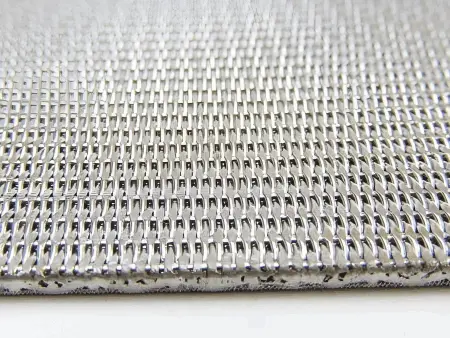
5-layer standard sintered wire mesh Thickness: 1.7mm
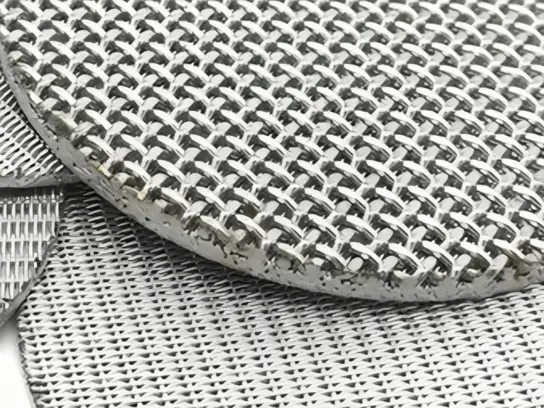
6-layer standard sintered wire mesh Thickness: 3.5mm
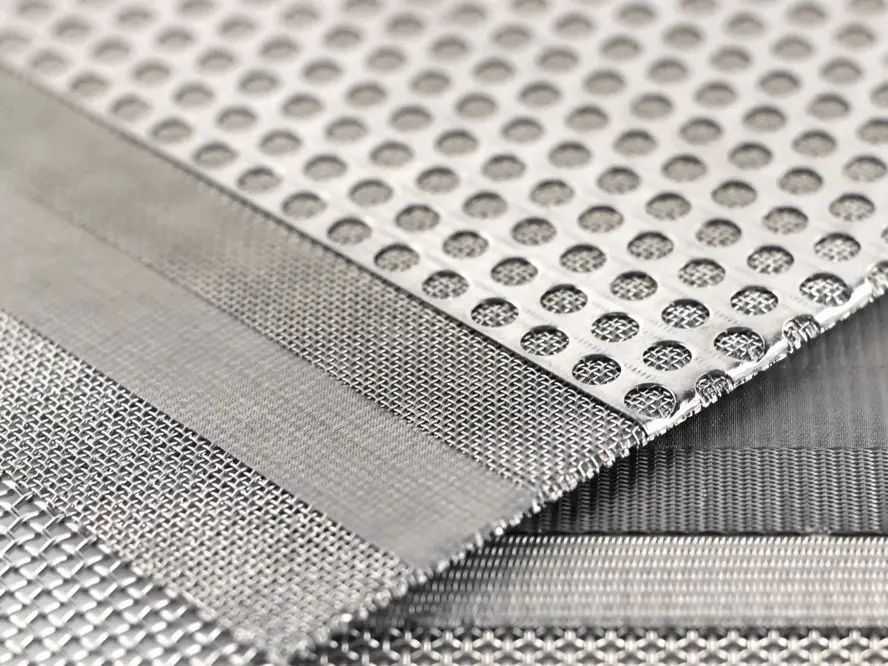
Perforated plate sintered wire mesh Thickness: 1.5-5mm
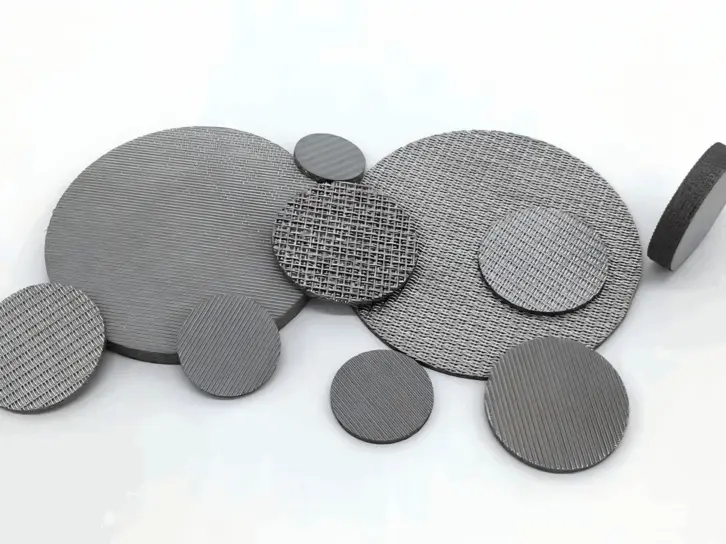
Customized sintered wire mesh Thickness: Customized
Product Summary
| Question | Answer |
| What is sintered wire mesh? | Multiple layers of woven mesh fused together by heat and pressure. |
| What filtration ratings are available? | 1 – 500 microns. |
| What materials can be used? | 304, 316 , 316L, 2205, 2507, Titanium,Nickel, Monel, Hastelloy, etc. |
| What are the main advantages? | High strength, Stable filter mesh holes, easy cleaning, reusability, temperature resistance. |
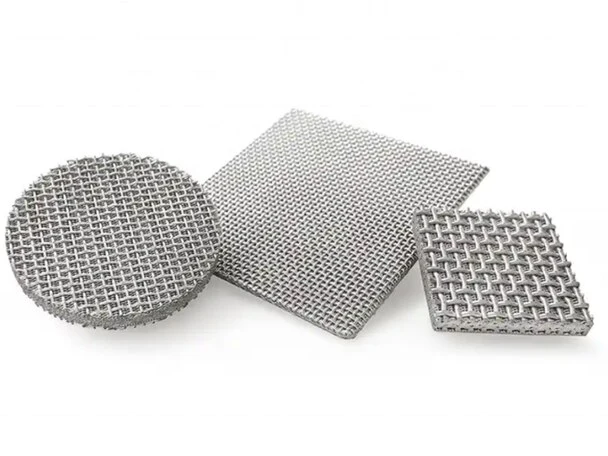
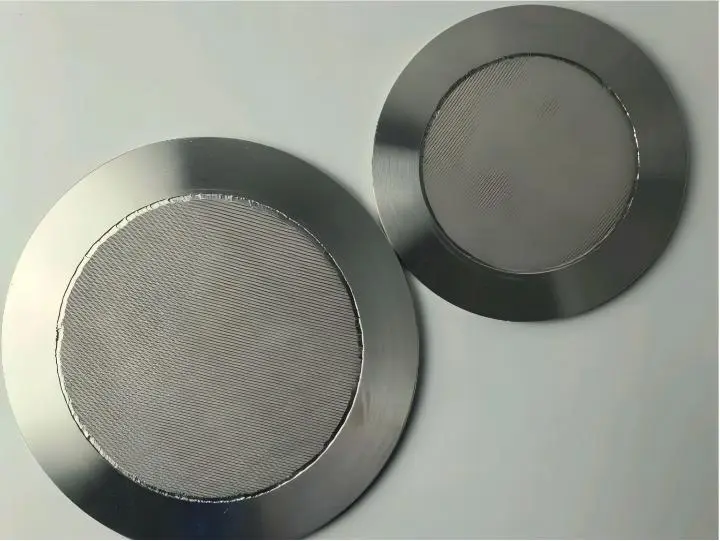
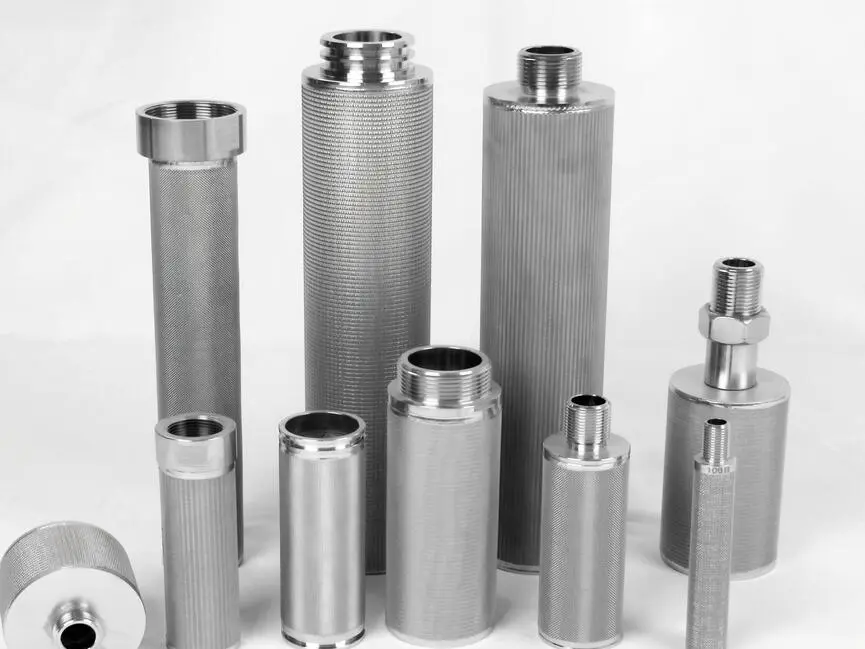
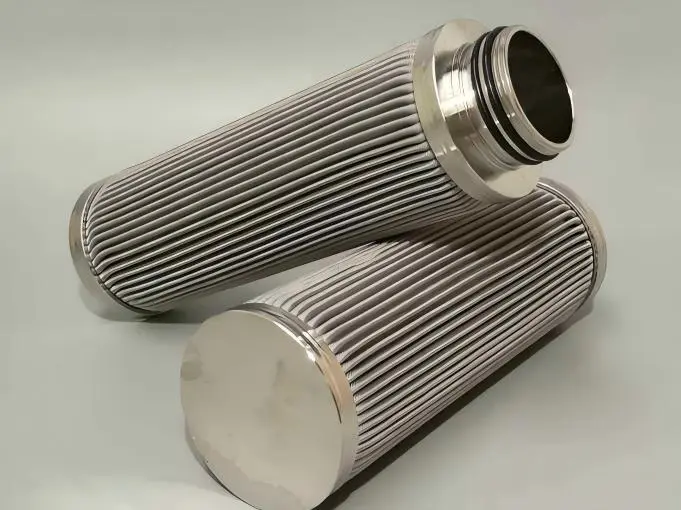
| What shapes can be made? | Sheets, discs, cartridges, tubes, cones, pleated, and custom. |
| Can it be cleaned and reused? | Yes – by backflushing, ultrasonic, chemical, or thermal cleaning. |
| What industries use it? | Chemical, pharmaceutical, food, power, aerospace, water treatment. |
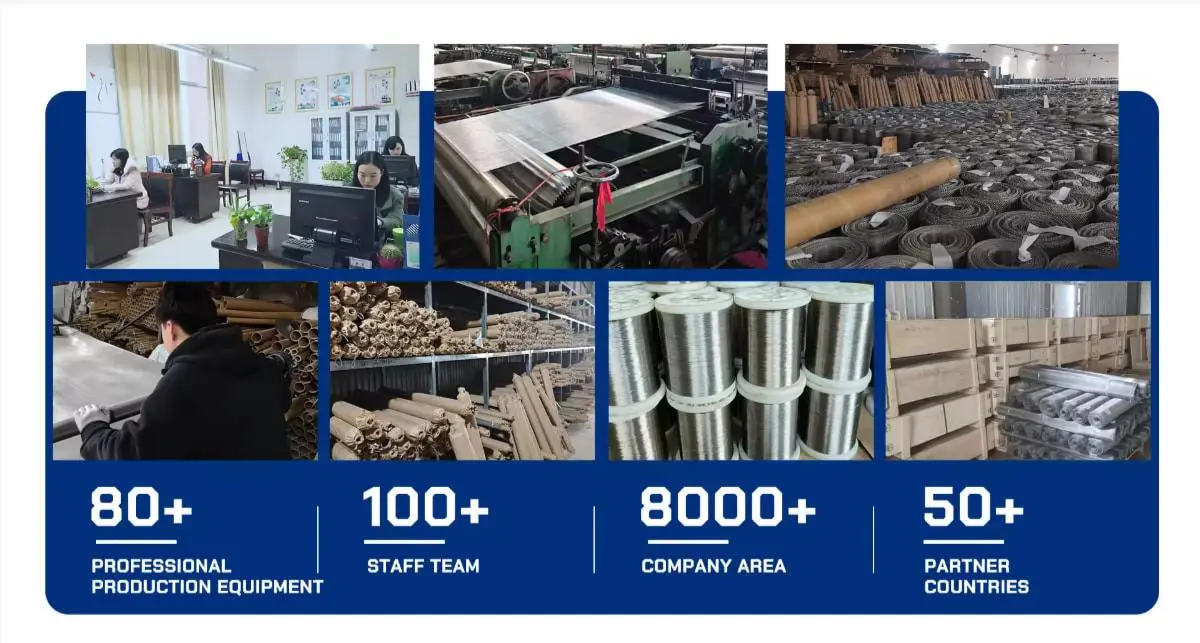
Our Factory Strength