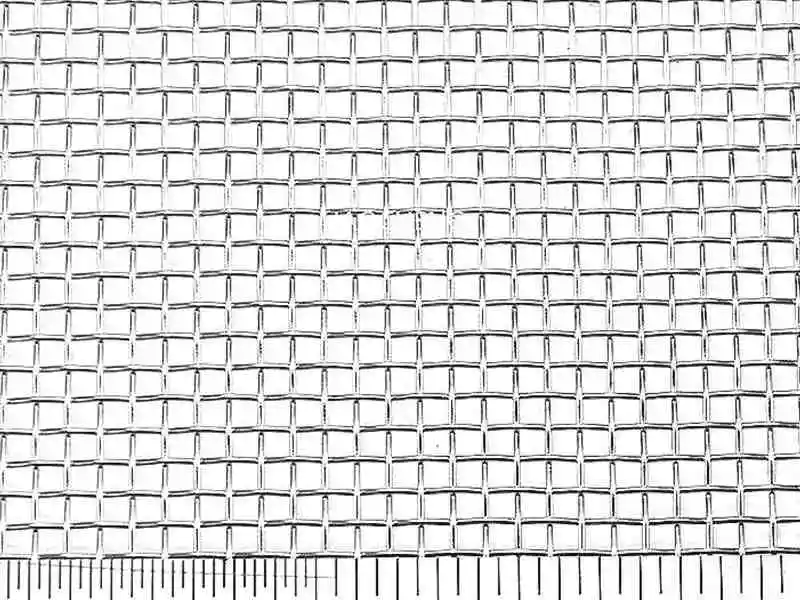
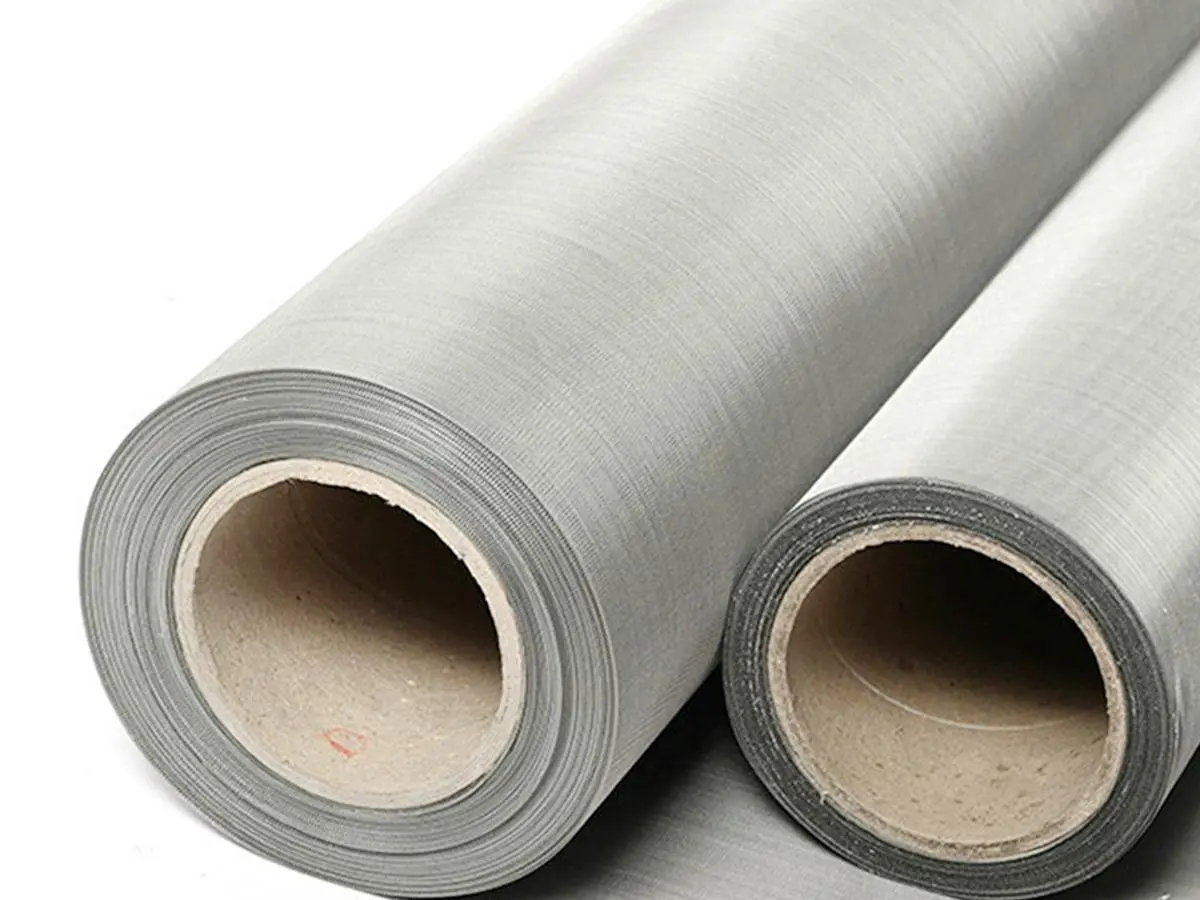


| Product name | 316L Stainless Steel Wire Mesh |
| Material | SUS 316L (16-18% Cr, 10-14% Ni, 2-3% Mo, ≤0.03% C) |
| Alternative Grades | 316Ti (Titanium Stabilized) |
| Mesh Size | 1 Mesh – 3500 Mesh (standard), ultra-fine meshes (<1µm) available |
| Free simple | Sample is available |
| Packaging | Jumbo bag and pallet |
| Payment method | T/T,LC, Western Union, PayPal, Escrow and Money Gram |
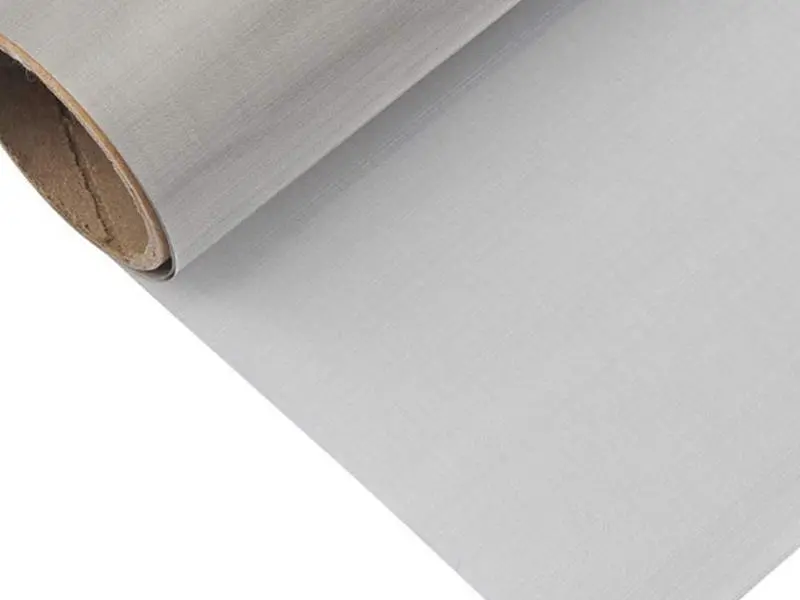
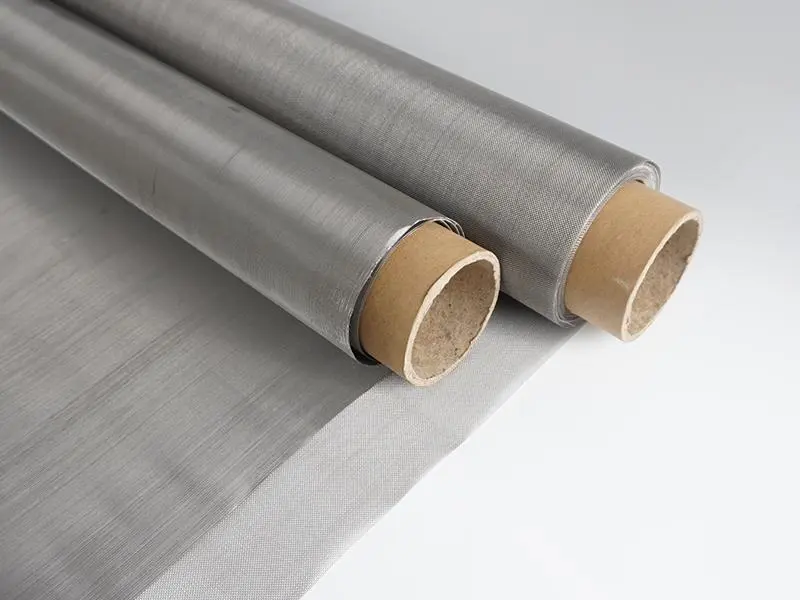
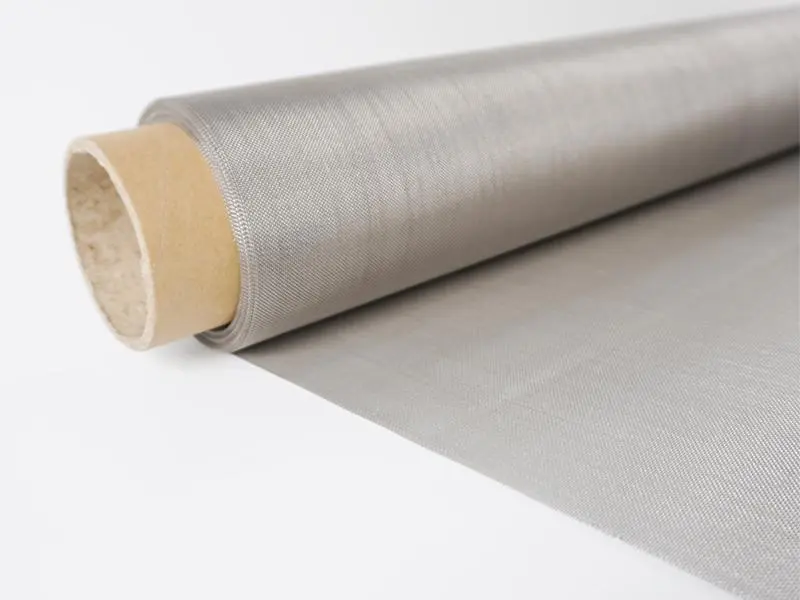
316L stainless steel wire mesh is woven from low-carbon 316L stainless steel wire. It contains molybdenum and has better resistance to chloride, acid, alkali, seawater, and chemical corrosion than 304 stainless steel wire mesh.
Compared with 316 stainless steel, 316L has lower carbon content. This helps reduce the risk of intergranular corrosion after welding or high-temperature processing, making it suitable for welded filter parts, chemical filtration, marine environments, and applications where long-term corrosion resistance is important.
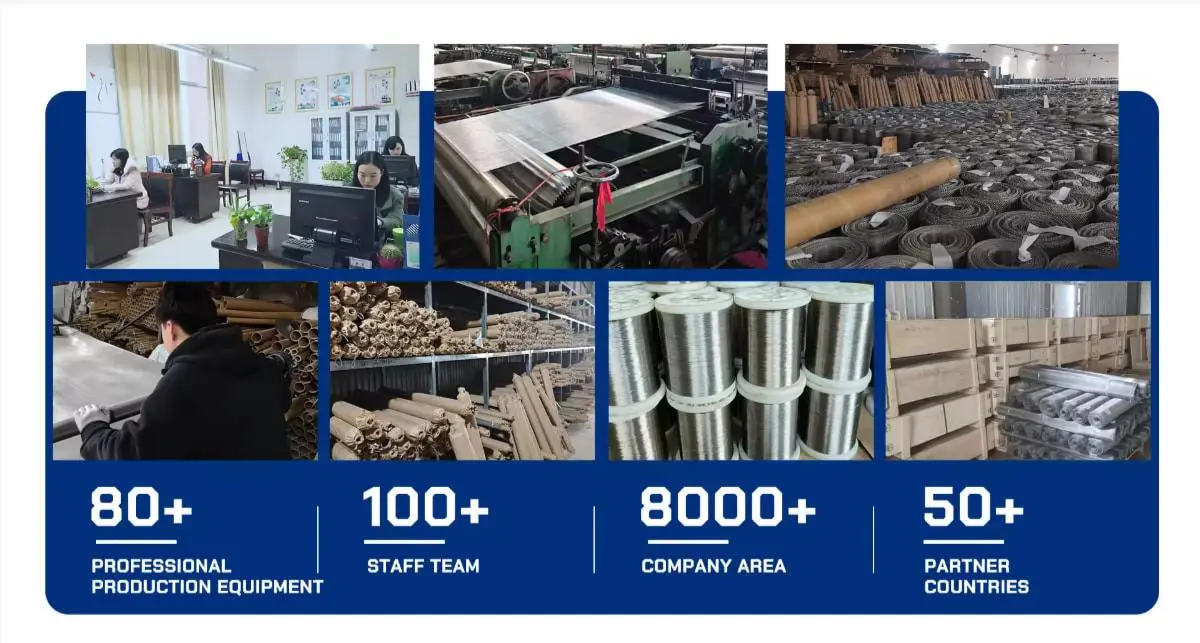
Kawen supplies 316L stainless steel wire mesh in different mesh counts, wire diameters, widths, and lengths. It can be supplied as rolls, sheets, discs, filter tubes, filter elements, or cut-to-size pieces according to customer requirements.
Weaving Types
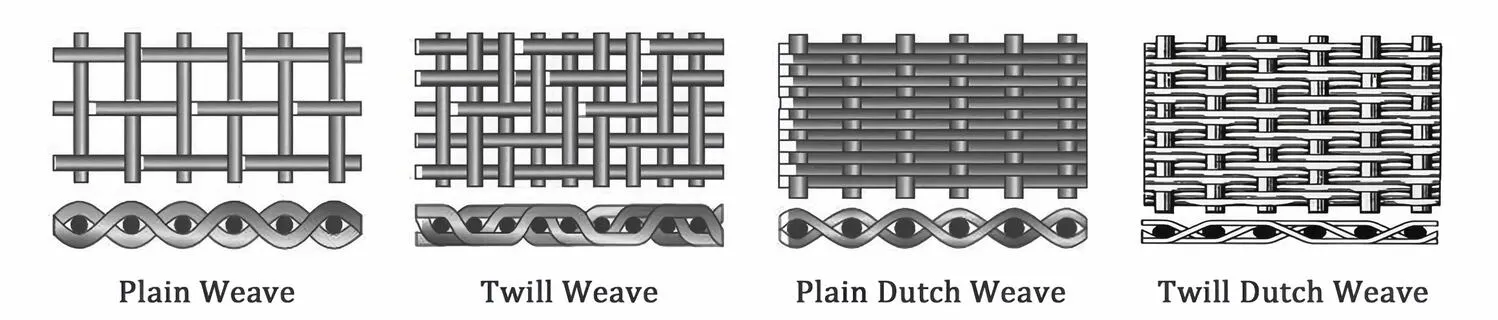
Plain Weave 316L Stainless Steel Wire Mesh
Plain weave is the most common weaving type. It has a simple structure, uniform opening, and good stability, making it suitable for general filtration, screening, protection, and industrial use.
Twill Weave 316L Stainless Steel Wire Mesh
Twill weave can support finer mesh counts and thicker wires than plain weave. It is suitable for fine filtration and applications that require higher mesh density.
Dutch Weave 316L Stainless Steel Wire Mesh
Dutch weave uses different wire diameters in the warp and weft direction to form a dense filtration structure. It is commonly used for fine liquid filtration, pressure filtration, and filter elements.
316L vs 316 Stainless Steel Wire Mesh
316 and 316L stainless steel wire mesh both contain molybdenum and have better corrosion resistance than 304 stainless steel mesh. The main difference is carbon content.
316L stainless steel has lower carbon content, so it performs better after welding and is less likely to suffer from intergranular corrosion in welded or high-temperature applications. For general corrosion-resistant mesh, both 316 and 316L can be used. For welded filter parts, chemical filtration, marine use, or stricter corrosion requirements, 316L is usually the better choice.
Structural Characteristics
- Precise and Uniform Mesh: Through advanced weaving technology, the 316L stainless steel woven mesh features precise and uniform mesh sizes. This ensures consistent filtration accuracy and screening efficiency, whether in the separation of fine particles or the filtration of high-viscosity fluids, it can achieve reliable results.
- Strong Structural Stability: The interwoven structure of the mesh wires gives the woven mesh strong structural stability. It is not easily deformed under external forces such as tension, pressure, or bending, maintaining its original shape and performance, thus ensuring the stability of the filtration or screening process.
- Smooth Surface and Easy Cleaning: The surface of 316L stainless steel woven mesh is smooth, which reduces the adhesion of impurities and contaminants. It can be cleaned by methods such as water washing, ultrasonic cleaning, or chemical cleaning, and it is not easy to leave cleaning dead angles, ensuring the cleanliness of the mesh and reducing the frequency of maintenance.
- Customizable Specifications: Similar to 304 stainless steel woven mesh, 316L stainless steel woven mesh can also be customized according to customer requirements in terms of mesh size (from fine meshes to coarse meshes), wire diameter, mesh shape (square, rectangular, etc.), and sheet size, to meet the specific needs of different application scenarios.
Applications
1. Marine & Offshore
- Seawater Filtration – Resists saltwater corrosion in desalination plants and shipbuilding.
- Oil & Gas – Used in offshore rigs, pipelines, and refinery filtration.
2. Chemical & Pharmaceutical
- Acid/Alkali Filtration – Handles sulfuric, hydrochloric, and phosphoric acids.
- Pharmaceutical Sieving – Complies with GMP standards for sterile processing.
3. Food & Beverage
- Brewery & Dairy Filters – FDA-approved for food contact.
- Sugar & Salt Processing – Resists corrosive sweeteners and brines.
4. Industrial & Architectural
- Chemical Reactor Guards – Protects against corrosive splashes.
- Decorative Facades – Aesthetic yet durable for coastal architecture.
Chemical Composition of 316L Stainless Steel
| Element | Content (%) |
|---|---|
| Carbon (C) | ≤ 0.03 |
| Manganese (Mn) | ≤ 2.00 |
| Phosphorus (P) | ≤ 0.045 |
| Sulfur (S) | ≤ 0.030 |
| Silicon (Si) | ≤ 0.75 |
| Chromium (Cr) | 16.00 – 18.00 |
| Nickel (Ni) | 10.00 – 14.00 |
| Molybdenum (Mo) | 2.00 – 3.00 |
| Iron (Fe) | Balance |
Standards & Compliance
316L stainless steel wire mesh complies with ASTM E2016 (Standard Specification for Industrial Woven Wire Cloth) and corresponds to UNS S31603. It is also available in the titanium-stabilized grade 316Ti where higher-temperature performance is required.
FAQ
What is 316L stainless steel wire mesh?
316L stainless steel wire mesh is a low-carbon, molybdenum-bearing austenitic stainless steel woven mesh. Its low carbon content (≤0.03%) and 2–3% molybdenum give it better corrosion resistance than 304, especially against chlorides, acids, alkalis and seawater.
What is the difference between 316 and 316L wire mesh?
Both contain molybdenum and resist corrosion better than 304. The key difference is carbon content: 316L has ≤0.03% carbon versus up to 0.08% for 316. Lower carbon reduces the risk of intergranular corrosion after welding or high-temperature processing, so 316L is preferred for welded filter parts.
What is the difference between 304 and 316L wire mesh?
304 is the standard grade; 316L adds molybdenum (2–3%) and lowers carbon. This gives 316L better resistance to chlorides, seawater, acids and chemical media. Choose 316L when the mesh is exposed to salt water or aggressive chemicals, or is welded and needs long-term corrosion resistance.
What mesh counts and wire diameters are available?
Kawen supplies 316L wire mesh from 1 mesh to 3500 mesh in plain, twill and Dutch weave, with custom wire diameters and widths. It is available as rolls, sheets, discs, filter tubes and cut-to-size pieces.
Can 316L wire mesh be welded and fabricated?
Yes. 316L low carbon content makes it the preferred grade for welding, as it resists intergranular corrosion in the heat-affected zone. Kawen offers cutting, stamping, edge-wrapping and welding to produce finished discs, tubes and filter elements.
Is 316L stainless steel wire mesh food and pharmaceutical grade?
Yes. 316L is widely used in food, beverage, dairy and pharmaceutical processing because of its corrosion resistance and cleanability. It meets GMP and food-contact requirements in many applications.
About Our Factory